
Programmes
Research participants join the NIHR BioResource through one of several national programmes or 'cohorts', each based on a specific health condition or demographic criteria such as age or ethnicity.
Not all programmes are actively recruiting new participants. All are open for research applications.
Recruiting at scale
Age and ethnicity criteria but recruiting large numbers nationally
-

D-CYPHR
Find out moreDNA, Children + Young People's Health Resource (D-CYPHR) is open to all children ages 0-15.
-

IBHO
Find out moreImproving Black Health Outcomes (IBHO) BioResource is open to people from Black ethnic backgrounds and those with a Sickle Cell or Thalassaemia diagnosis.
Common diseases
Limited recruitment - please check each page for eligibility criteria.
-

IBD
IBD BioResourceThe Inflammatory Bowel Disease (IBD) BioResource is a national platform that supports research into Crohn's disease and ulcerative colitis to increase understanding of IBD.
-
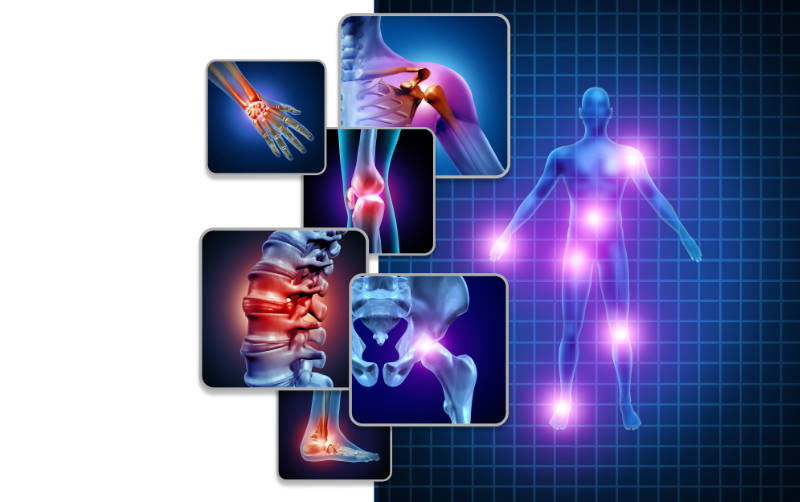
IMID
IMID BioResourceThe Immune-Mediated Inflammatory Diseases BioResource is a recallable group of participants with conditions such as rheumatoid arthritis, systemic lupus erythematosus and psoriasis.
-
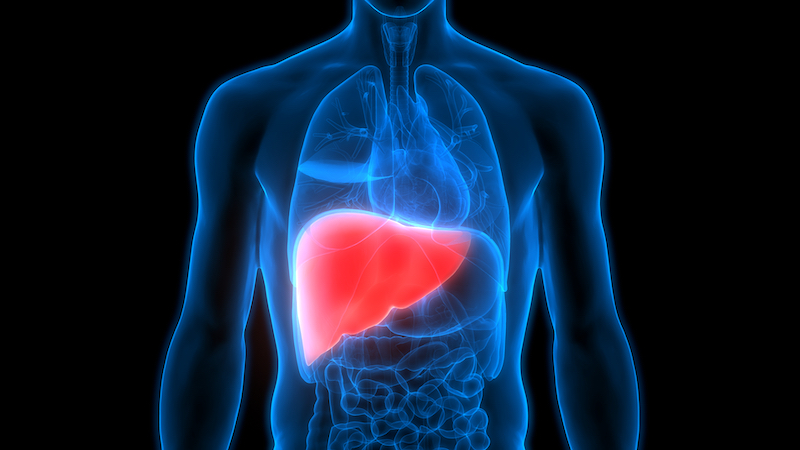
MASLD
MASLD BioResourceThe Metabolic dysfunction associated steatotic liver disease (MASLD) BioResource supports research into the causes and progression of the condition.

Rare Diseases
We identify genetic causes of rare diseases to improve diagnosis and to support work to develop and validate treatments.
Specialist projects
-
Long Read Sequencing (LRS)
Long Read SequencingLRS is a new method that will help us provide a diagnosis for patients in cases where previous methods were unable to. Our team now have the foremost Long Read Sequencing expertise in the UK.
-
RNA Phenotyping
RNA PhenotypingBuilding on our rare diseases Whole Genome Sequencing work published in 2020, the RNA Phenotyping project aims to deepen our understanding of how and why rare diseases develop.
Mental health
-

EDGI
EDGI UKThe Eating Disorders Genetics Initiative UK (EDGI UK) aims to better understand the role that genes and environment play in the development of eating disorders.
-

GLAD
GLAD studyThe Genetic Links to Anxiety and Depression (GLAD) Study is a project set up to support studies exploring risk factors for depression and/or anxiety. -

SMILE
SMILE BiOResourceThe SMILE BioResource is a collaboration with the University of Oxford (Oxford Health Biomedical Research Centre) to investigate the causes of severe mental illness (SMI).
Completed recruitment
Whilst recruitment has been completed for new participants from the general population or with COVID-19, the existing participants and their data are available to support research.
-
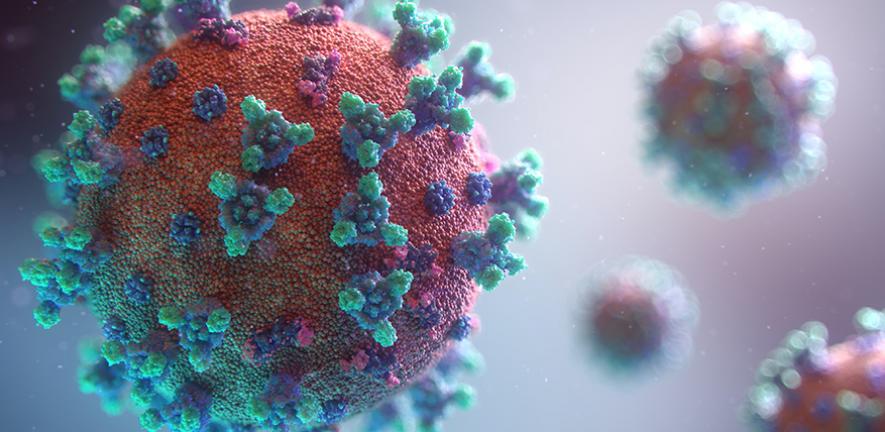
COVID-19
COVID-19 BioResourceWorking with committed participants and partners, we created the COVID-19 BioResource to help drive national and international scientific progress.
-

General population
General Population BioResourceParticipants who do not have a specific health condition play a crucial role in research by acting as ‘controls’, allowing researchers to compare them with participants who have a particular condition or characteristic.