
Study identifies potential biological reason why some people are affected by Inflammatory Bowel Disease (IBD)
- Published: 07 July 2026
- Category: IBD
Over 3,300 participants from the Inflammatory Bowel Disease (IBD) BioResource contributed to a study that uncovered the potential biological mechanisms that lead to IBD symptoms for some patients.
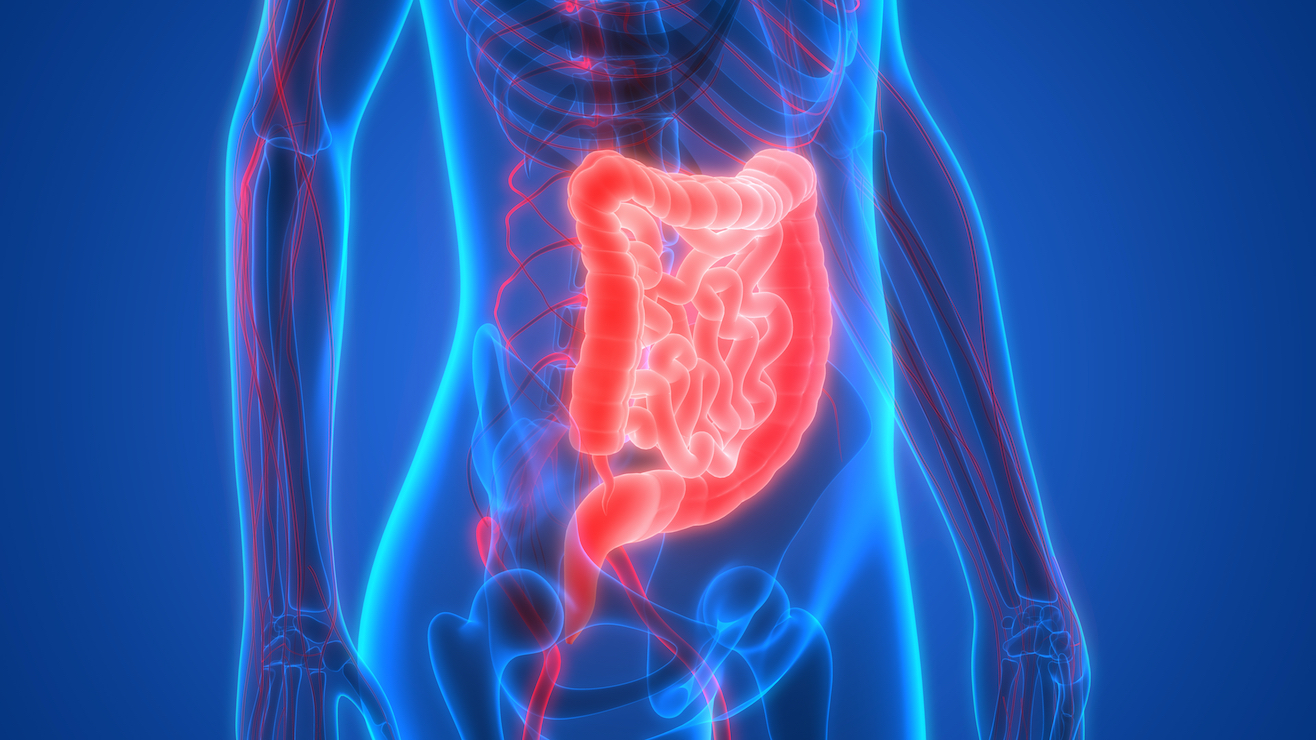
Inflammatory Bowel Disease (IBD) is a chronic, lifelong condition that causes diarrhoea, stomach pain and fatigue. There are two types of IBD, Crohn’s disease and ulcerative colitis. IBD is known to be caused by the immune system not acting correctly and attacking the intestines, but it is not fully understood why this happens or exactly which parts of the immune system are involved.
Researchers have been studying the genes of people with IBD and comparing them to the genes of people without the condition. This helps them to understand if there are any changes in DNA that can explain some of the biological mechanisms that lead to IBD.
While it has not been possible to link a single gene to the condition, a combination of changes within a gene called HLA-DRB*01:03 has had the strongest link to the condition.
A separate recent study, which also involved IBD BioResource participants, has uncovered a combination of genetic variations within HLA-DRB*01:03 that could explain why some people get more severe forms of IBD.
This current study was led by researchers at the University of Oxford and published in the New England Journal of Medicine. The team uncovered a potential biological pathway that explains why changes in the HLA-DRB*01:30 gene can lead to IBD symptoms.
This follows on from previous work by the same research group, which uncovered a potential role for an antibody called anti-interleukin-10 in two children with IBD.
Anti-interleukin-10 is a part of the immune system, and the Oxford team believed that this antibody might be linked to the HLA-DRB*01:30 gene and is contributing towards IBD in some patients.
To further understand the role of anti-interleukin-10, especially in adults with IBD, the researchers studied data from 3,347 participants from the IBD BioResource and a further 1,562 from two Oxford IBD cohorts.
They wanted to find out if anti-interleukin-10 could be found in the serum of these participants and whether carrying the HLA-DRB1*01:03 genetic variant was associated with having anti-IL-10 antibodies. They compared the results to data from people who do not have IBD.
The team discovered that 3.5% of the people with IBD had anti-interleukin-10 present. None of the people without IBD had anti-interleukin-10 present.
They also discovered that anti-interleukin-10 was strongly associated with the HLA-DRB*01:30 gene. This result indicates that for some people with IBD, the presence of anti-interleukin-10 could be a major contributor to their condition.
Anti-interleukin-10 targets a protein within the body called interleukin-10 (IL-10) and stops it from working properly.
IL-10 has an important role in dampening down the immune system. This could explain why some people with IBD experience an overactive immune response: anti-interleukin-10 is preventing IL-10 from doing its job, and this leads to an increased immune response.
Understanding more about the role of anti-interleukin-10 in IBD can help to understand what type of IBD a patient has and could help to clarify their treatment options in the future.
- Dr Laetitia Pele, Research Coordinator Lead, IBD BioResource“By taking part in these studies, IBD BioResource participants are helping researchers better understand the genetic and biological factors behind Inflammatory Bowel Disease. This knowledge provides valuable insights into why IBD affects people differently and may help identify new targets for future treatments.”